How Often Window Washing Is Needed in San Clemente
Your Glass Is Getting Destroyed on a Schedule
How often window washing is needed depends on salt air, marine layer, and hard water. Pier Bowl and Talega need very different schedules. Here's yours.
What Happens When You Wait Too Long
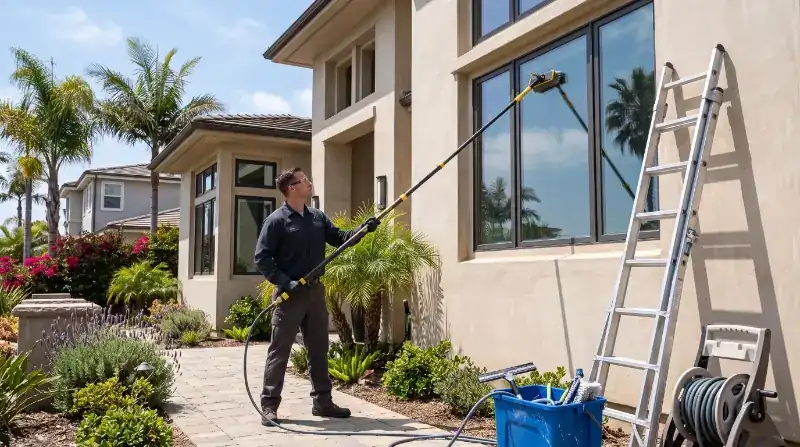
San Clemente pier — rooftop access
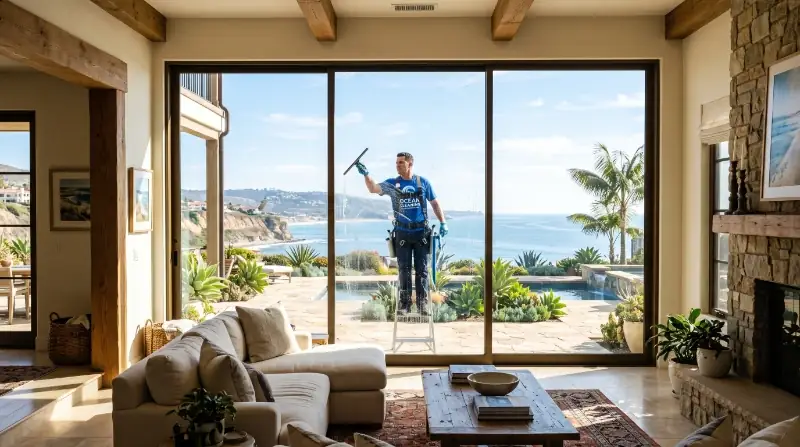
Regular schedule — stays clean
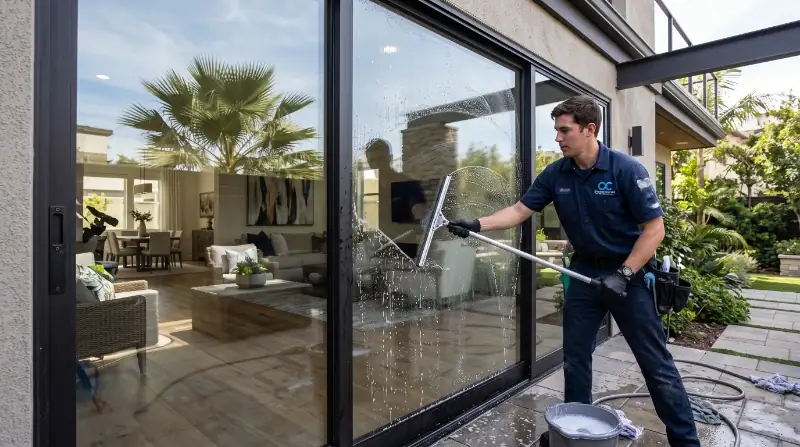
Regular cleaning — deposits prevented
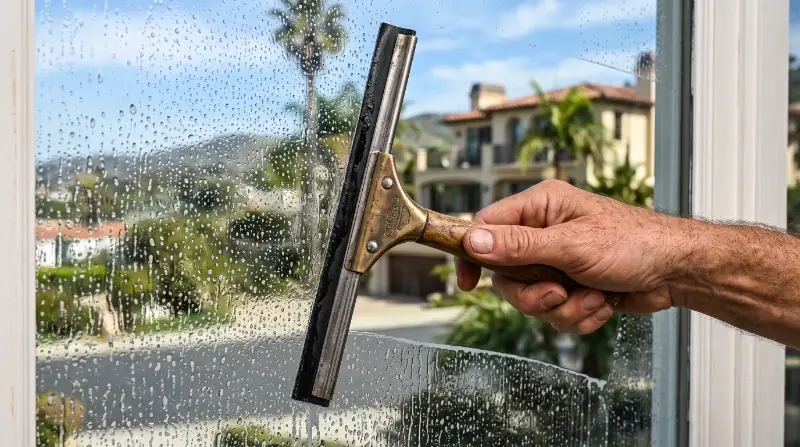
On-schedule service
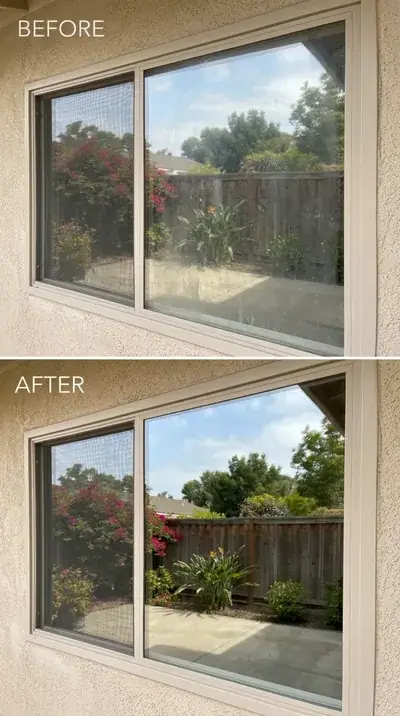
3 months of coastal buildup
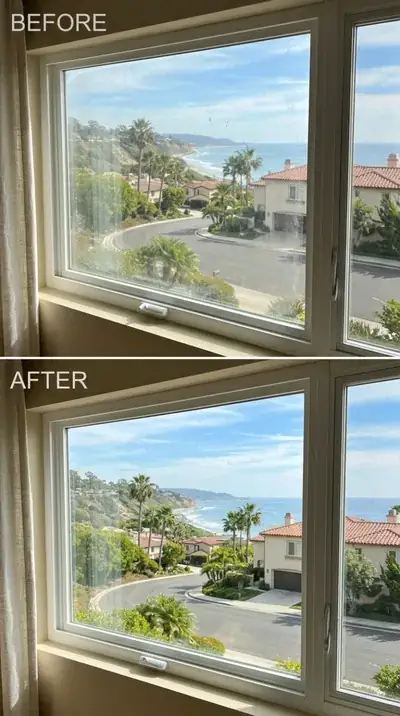
Regular schedule — San Clemente
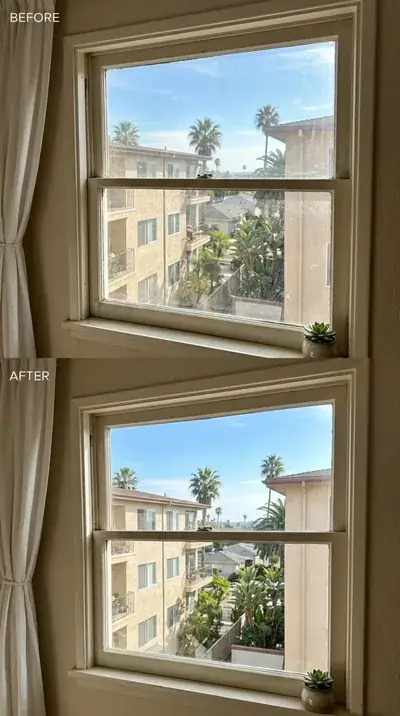
Southern California — before & after
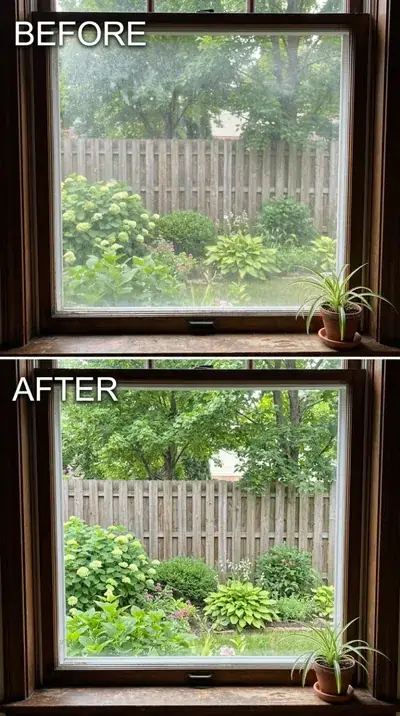
Why regular cleaning matters
How Often to Wash Windows: The Short Answer by Neighborhood
San Clemente glass deals with three things at once: salt air off the water, the morning marine layer, and hard water from irrigation. How often your home needs a professional clean depends on which of those hits it hardest, and that mostly comes down to where you live. A Pier Bowl beachfront home and a Talega home a few miles inland run on completely different calendars. Here is the breakdown by neighborhood.
These schedules apply to standard window washing in San Clemente CA. Properties with established mineral buildup from irrigation overspray may also need hard water stain removal before a normal schedule restores full clarity. For full pricing on each visit type, see the San Clemente window washing cost guide.
Avenida Victoria, Linda Lane and the blufftop streets above the pier. The heaviest salt and sea spray in town, and in summer a film can show within days of a clean.
T-Street, Southwest San Clemente, Avenida Pico area. Significant salt and marine layer exposure, less aggressive than beachfront.
HOA irrigation hard water and canyon debris drive the maintenance need here, not direct salt. Quarterly keeps deposits from bonding.
Overrides every other schedule. Dust and ash land on every side of the house, and morning moisture makes them harder to rinse. Every zone is affected.
Why the Schedule Is Different by Zone
San Clemente runs from the sand up into the inland hills. A home on Avenida Victoria and a home off Avenida La Pata in Talega are only a few miles apart, yet the glass on each gets dirty for different reasons.
Pier Bowl and Beachfront — Every 6 to 8 Weeks in Summer
Homes on Avenida Victoria, Linda Lane and the blufftop streets above San Clemente Pier sit close to breaking surf. Sea spray and salt air settle on the exterior glass all the time, and from June through September, when the afternoon onshore breeze is steadiest, a visible film can return within days of a professional clean.
A 6 to 8 week interval here isn't upselling. It simply matches how fast the film comes back. Stretching it out rarely saves money, because salt and mineral residue left for many months turns a routine wash into a longer one and, in the worst spots, can begin to dull the glass.
Near-Coast Properties — T-Street, SW San Clemente — Every 8 to 10 Weeks
Homes a short walk from the water, in the neighborhoods north and south of T-Street Beach, along Avenida Lobeiro and Del Mar Street, and up toward the Avenida Pico corridor near San Clemente High School, get real salt exposure but less than the beachfront.
Marine layer deposits compound through May, June, and July in this zone. A thorough clean in late July, after June Gloom breaks and before the hottest summer weeks, is worth adding for any property in this zone with south-facing or ocean-facing glass. An 8 to 10 week exterior schedule covers the baseline.
Talega and Forster Ranch — Quarterly
Talega, on the eastern hillsides above Avenida La Pata, and Forster Ranch, on the northeast ridgeline near Vista Hermosa Sports Park, sit far enough from the water that direct salt exposure is light. The glass problems here are different.
HOA irrigation in both communities runs on early morning cycles through the warm months, and sprinkler heads on many lots overspray the lower glass. Talega gets its water from Santa Margarita Water District, whose 2026 report lists a 15 gpg average (12.3 to 17.5 gpg). Forster Ranch is on City water, which the City of San Clemente's 2025 report puts at 14 to 17 gpg. Both are well past the USGS "very hard" line of 10.5 gpg, so each cycle leaves calcium deposits on the pane, and a full season of them can bond and need specialty chemistry to remove.
Canyon debris from the Forster Canyon drainage fills tracks and frames between cleaning cycles. And both neighborhoods face direct Santa Ana wind exposure from the Ortega Mountain corridor, which requires urgent cleaning after major wind events regardless of the regular schedule.
A quarterly visit, four a year, keeps most Talega and Forster Ranch glass free of bonded hard water spots and keeps the tracks and sills clear enough for sliders to run smoothly.
After Any Santa Ana Wind Event — 72 Hours, Every Neighborhood
This is the rule that overrides everything else. When a Santa Ana event moves through San Clemente, mainly between October and December, the 72-hour clock starts the moment the wind dies down.
Santa Ana winds push desert dust, chaparral pollen and, in fire years, ash from inland canyons toward the coast. Dry, that layer rinses off easily. The trouble starts when the marine layer rolls back in and wets it, turning loose dust into a gritty paste that clings to glass and screens. Cleaning within 72 hours removes it before several nights of moisture have worked it onto the surface.
This applies to every neighborhood in San Clemente without exception. Talega homes well inland get the same wind-blown dust as Pier Bowl blufftop homes, and the overnight moisture reaches both.
The two best months for annual cleaning in San Clemente
A March visit clears whatever the fall and winter winds left behind, before spring sprinklers and May Gray start adding their own film. An October visit strips the summer's salt and marine layer residue so the glass goes into wind season clean. For owners who want only two appointments a year, that pairing gets the most out of each one.
Quick Reference Table
| Zone | Key Properties | Exterior Schedule | Primary Driver |
|---|---|---|---|
| Pier Bowl and beachfront | Avenida Victoria, Linda Lane, blufftop homes | Every 6–8 weeks | Salt aerosol from Pacific surf |
| Near-coast mid-city | T-Street, SW San Clemente, Avenida Pico corridor | Every 8–10 weeks | Salt exposure and marine layer |
| Talega | Above Avenida La Pata, Carl Hankey zone | Every 3 months | HOA irrigation hard water |
| Forster Ranch | Northeast ridgeline, near Vista Hermosa | Every 3 months | Canyon debris and Santa Ana exposure |
| Rancho San Clemente | Northeast hillsides, Avenida Vaquero area | Every 3 months | Irrigation overspray and hard water |
| Marblehead and gated communities | Cypress Cove, Sea Pointe, Cotton's Point | Every 8–10 weeks | Coastal exposure varies by specific lot |
| Post Santa Ana event | All San Clemente zones | Within 72 hours | Wind-blown dust and ash on glass |
Frequency Questions — Answered Directly
Do the inside panes need cleaning as often as the outside?
Usually not as urgently. Inside glass picks up fingerprints, pet nose prints and a light salt film that drifts in through open windows, but it doesn't take the direct sea spray and sprinkler hits the outside does. Most owners get both sides done at every full-service visit, and on the shortest beachfront cycle some alternate full visits with exterior-only washes.
What should I do about my windows after the Santa Ana winds?
Book a clean within 72 hours of the wind dying down, and don't wipe the glass dry yourself first, because the dust holds grit that scratches when rubbed. A pro rinses it off with a water-fed pole and pure water, then clears the tracks and sills, which fill with the same fine dust. Ocean-facing glass in the Pier Bowl and on the blufftop streets above the Beach Trail should go first, since morning moisture reaches it soonest.
If I only book twice a year, which months should I pick?
Pick early spring and mid-fall. An appointment in March clears winter wind dust before irrigation season and May Gray, and one in October removes summer salt before the Santa Ana months. If sprinklers hit your glass daily, a third visit in midsummer keeps hard water spots from setting.
Does a quarterly schedule work for oceanfront homes?
It can, but expect the glass to look dull for part of each cycle. Oceanfront and bluff-top glass collects salt film quickly, which is why the usual recommendation there is every 6 to 8 weeks. If you have a million dollar view of the water, the shorter cycle is what keeps it looking that way from the living room.
Is it worth getting windows cleaned more frequently in San Clemente?
Usually, yes. Shorter intervals stop salt film and calcium deposits from building to the point where they need the separate $150–$350 hard water treatment. Regular visits also keep natural light coming into the house and protect curb appeal, since front-facing glass is what neighbors and buyers notice first. The final rinse is deionized, 0-TDS water with no harsh chemicals, so frequent visits leave no soap residue on the glass and do no harm to the plants below it.
San Clemente Window Washing — Month-by-Month Guide
When to clean depends on where you live and what the coastline has been doing. Here is the seasonal picture across San Clemente's primary glass maintenance calendar.
Event-Triggered Cleaning — The 72-Hour Rule
Santa Ana wind events override the regular schedule for every property in San Clemente regardless of neighborhood or last cleaning date. When a strong Santa Ana leaves visible dust and ash on the glass, the 72-hour window starts once the wind stops. After that, returning coastal moisture has started binding the grit to the surface. Book as soon as you see the event ending, and if spots have already set, read about how set-in mineral spots are removed.
How often should house windows be washed in San Clemente?
It depends on how close you are to the surf. Pier Bowl beachfront homes need an exterior clean every 6 to 8 weeks in summer, homes a few blocks back near T-Street every 8 to 10 weeks, and inland Talega and Forster Ranch homes about every three months. A Santa Ana wind event moves the next visit up to within 72 hours, whatever the calendar says.
What is the difference between window washing and window cleaning?
Window washing usually means the outside glass: a water-fed pole, a soft brush and a pure water rinse that lifts salt film and dries streak-free. Window cleaning is the broader job and adds interior glass, screens, tracks, sills and frames. Clarity Coast's standard full-service visit does both, inside and out. Salt air drifts in through open windows and films the inside of the glass too, while tracks fill with sand and wind-blown grit. Owners on the shortest coastal cycle sometimes alternate full visits with exterior-only washes.
Why do windows get dirty so fast after cleaning in San Clemente?
Mostly because coastal glass never stops collecting. In summer, sea spray settles on outside panes within days, and each night the marine layer leaves a damp coastal haze that dries into a dull film by mid-morning. Sprinklers add hard water spots every cycle, since the City of San Clemente's 2025 water quality report puts city water at 14 to 17 gpg. A beachfront home can look hazy again within a week in July; that's the exposure, not a sloppy job.
Related Window Washing Resources
Other Services in San Clemente
Most San Clemente homeowners bundle these with a window wash. One quote, one visit.
- Window screen cleaningsalt and grime out of the mesh
- Track and sill cleaningpacked salt, stuck sliders
- Pressure washingdriveways, patios, walkways
- Commercial window washingstorefronts and offices
- Window cleaning before sellingpre-listing glass, screens, tracks
- Post-construction window cleaningcement haze, paint, labels
Related guides
- Santa Ana Winds Window Cleaning Guide — what to do in the 72 hours after the winds stop.
- Marine Layer Window Damage in Southern California — how overnight fog leaves a mineral film on your glass.
Find the Right Schedule for Your San Clemente Home
Tell us your neighborhood and the last time windows were professionally cleaned. We'll give you a specific recommendation and a quote in one call, and match you with a vetted, licensed and insured local pro.
Monday through Saturday, 8am to 6pm